Sterling Heights Epoxy Flooring logoSterling Heights Epoxy FlooringFlooring
Basement Floor Epoxy · Sterling Heights

Basement Floor Epoxy in Ann Arbor, MI

A coating sized to the actual vapor reading off the slab, not guessed from a phone photo.

1-2 days installs · typical timeline

Tell us about your project.

We'll be back to you the same business day.

No spam. We'll text you to confirm.

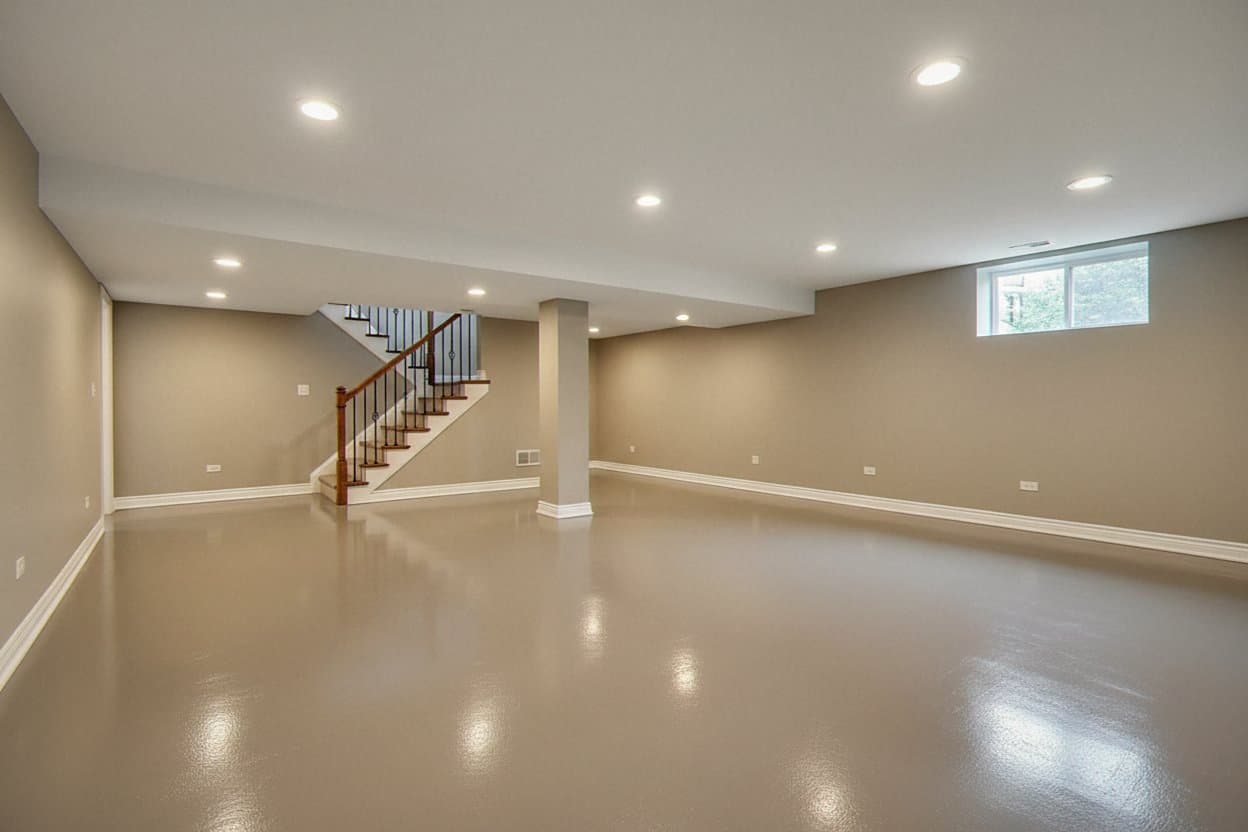
Glossy basement floor with light flake
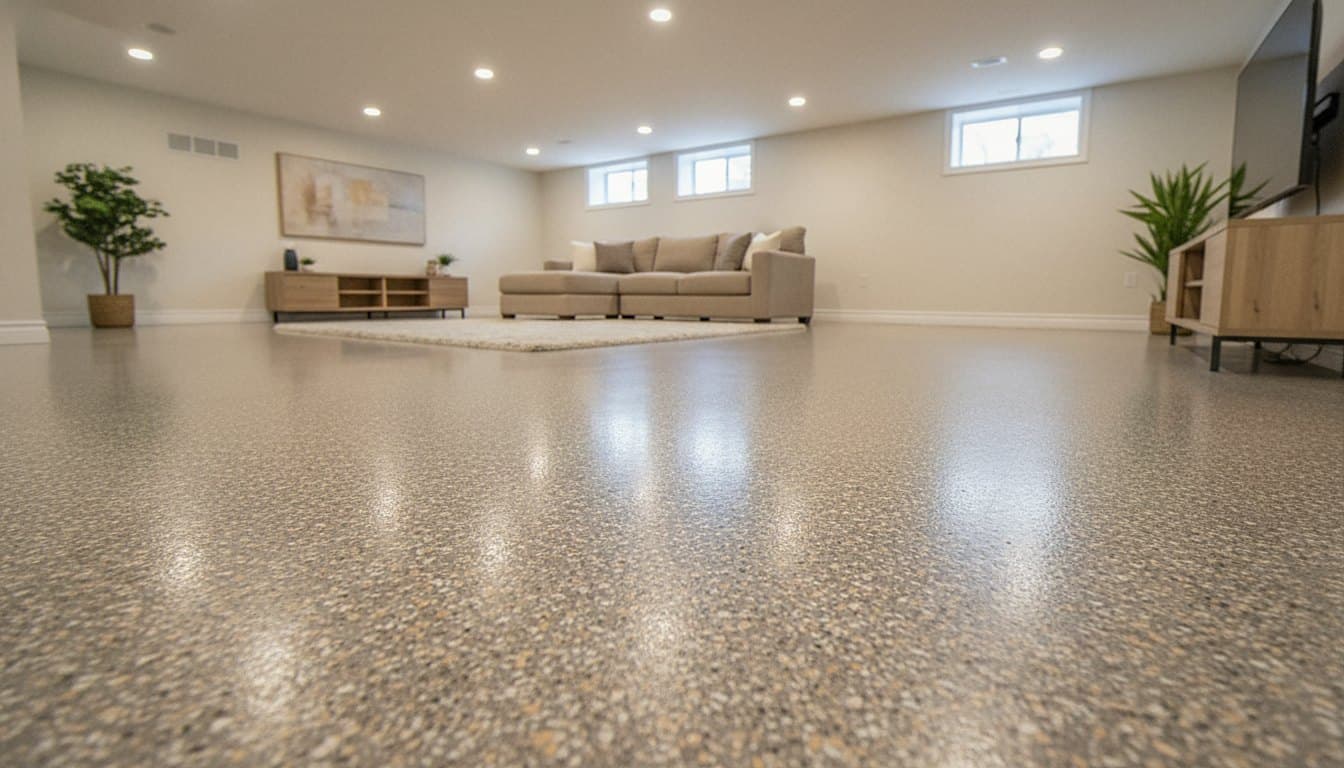
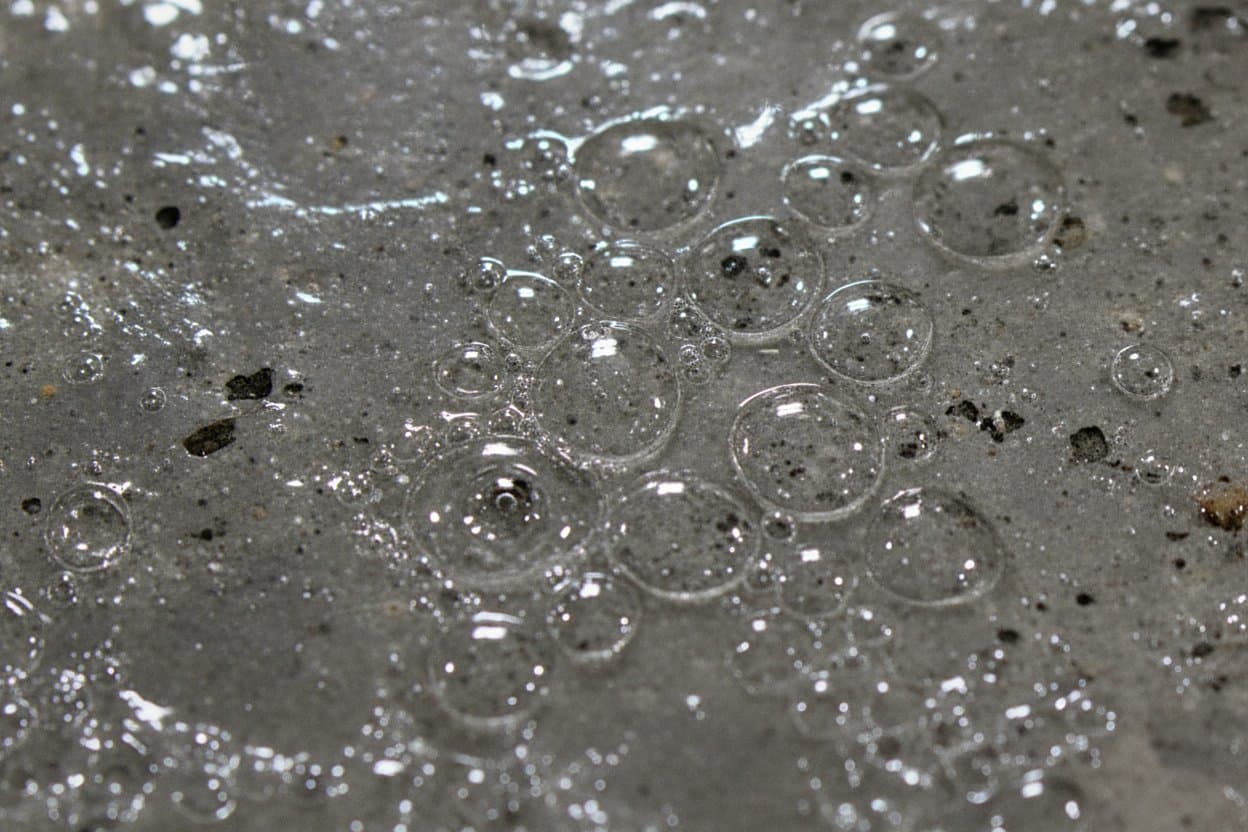
Close-up of textured epoxy surface
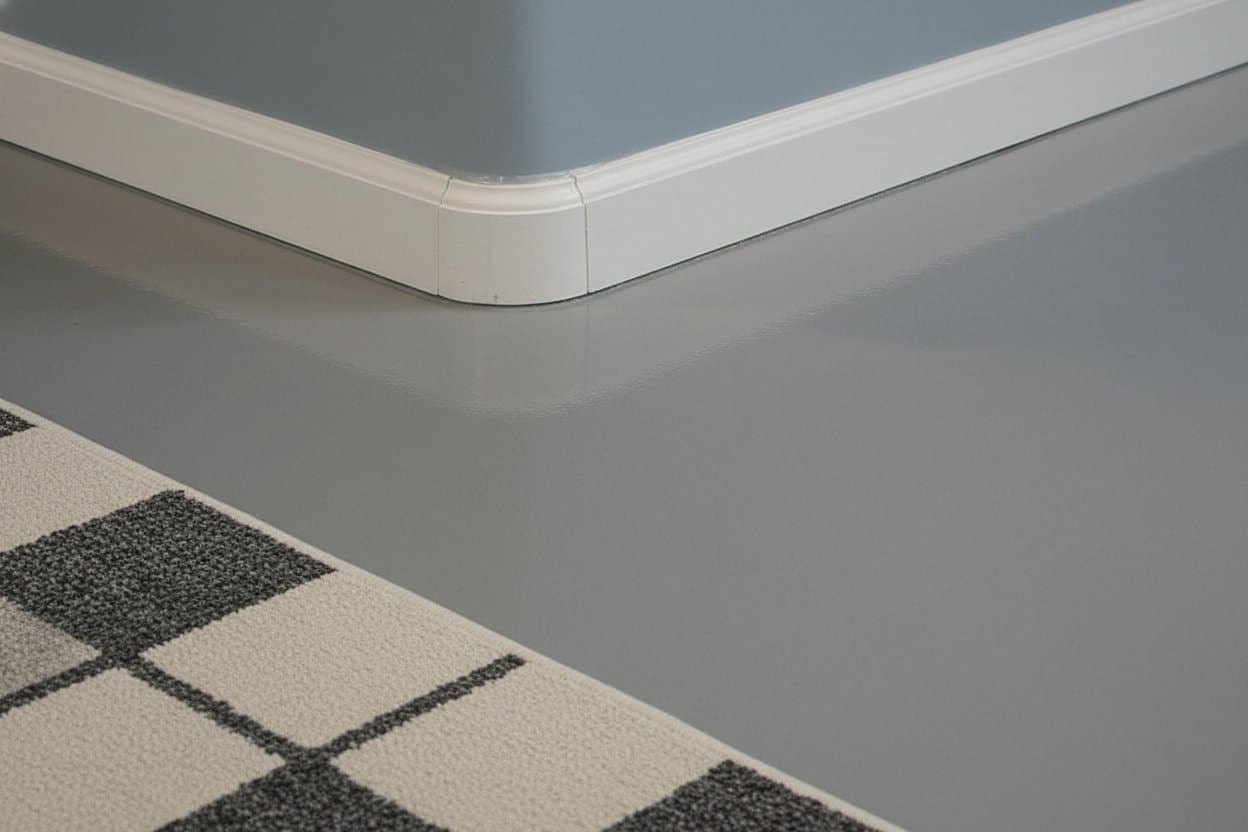
Epoxy edge meeting basement wall
What we install

Why most basement coatings fail in the first humid summer

The basements under Old West Side and Water Hill homes have been pushing moisture vapor up through their slabs for over a century. A cheap film of paint over that slab is not a coating. It is a sacrifice that lasts one summer. The slab itself is rarely the problem. The product on top of it is. Painting it again, or laying peel and stick vinyl on top, repeats the same mistake with a new label on the bucket.

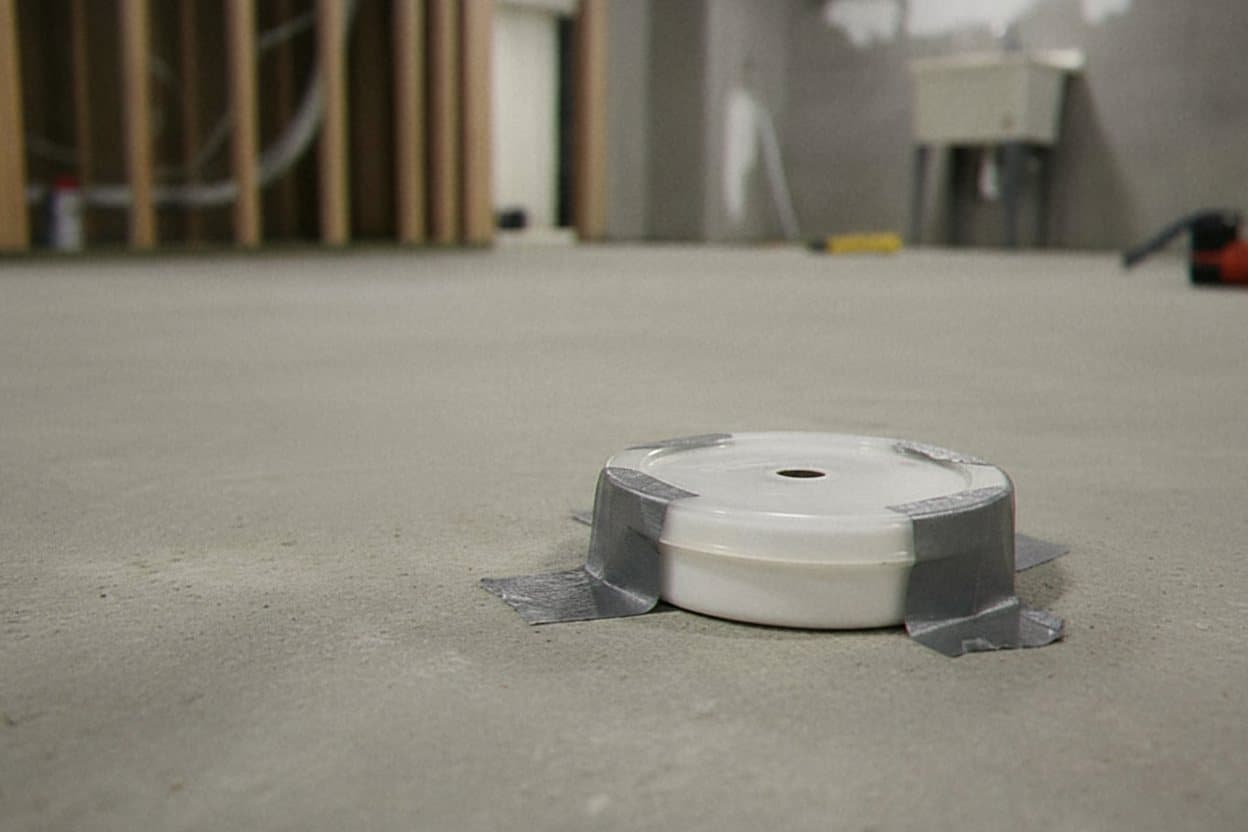
A real install opens with a calcium chloride disc taped to the slab for two or three days. The disc gives a number: pounds of water vapor per thousand square feet per day. That number picks the primer. Light vapor: a standard primer that tolerates moisture. Heavy vapor, common in foundations a century old near the Huron River: a vapor mitigating epoxy that locks the moisture down. Over the primer lands a solids epoxy base. Most basements get a light pigment to brighten the room. Then either a fine flake for depth, or a smooth polyaspartic if the room reads more like a finished living space.

  • Primer is sized to the actual vapor off the slab, not picked from a catalog.
  • A light or warm base reflects ambient light back into the room.
  • Polyaspartic topcoat does not slip under furniture, exercise gear, or pet paws.
  • Walk on it that evening. Furniture goes back inside a day.
  • Crews bring exhaust fans and dehumidifiers, so the cure smell clears before they leave.
The slab is the patient. The coating is the prescription. Both have to match.

Most basement work across the Ann Arbor footprint wraps inside one working day. That covers Burns Park bungalows, Kerrytown duplexes, and the newer infill in Ann Arbor Hills. A second day enters the picture only when the slab needs serious crack repair before primer. The site visit, with the moisture disc reading in hand, is the only honest way to quote a basement.

If a basement shows efflorescence (the chalky white salt residue), water staining at the wall, or a previous coating that already lifted, we will come out, run a free inspection, and explain what is going on below the floor.

Materials

A basement system is not a garage system in lighter pigment

Concrete in a basement and concrete in a garage live different lives. A basement slab sits below grade with wet soil pressing on the underside in every season. That slab is always trying to release vapor up through itself. A coating laid on top without primer is fighting that vapor in the wrong direction. The water pushes from below. The film cannot bond into the slab. Within months the coating either lifts in sheets or traps humidity against the concrete. That is how a basement starts to smell like a damp shower curtain after a fresh paint job. A thicker coating does not fix this. A different chemistry does.

The install opens with the moisture reading. A calcium chloride disc gets taped to the slab and left for sixty to seventy two hours. The disc is then weighed to see how much moisture it absorbed. That weight becomes a pounds per thousand square feet figure. The figure picks the primer. Below the threshold, a primer that tolerates moisture works. Above it, a vapor mitigating epoxy is the right call. Whichever primer goes down, the base coat is a solids epoxy in a bright neutral. Basements need light bouncing back up at the eye. The topcoat is then either a partial flake broadcast for texture, or a smooth polyaspartic if the room reads as living space.

  • Moisture disc number picks the primer. Not the installer's gut.
  • Bright neutral base coat brightens the room instead of darkening it.
  • Partial flake adds grip without the dense garage pattern.
  • Polyaspartic topcoat seals humidity out and stays clear under a window well.
Grinding concrete to profile basement
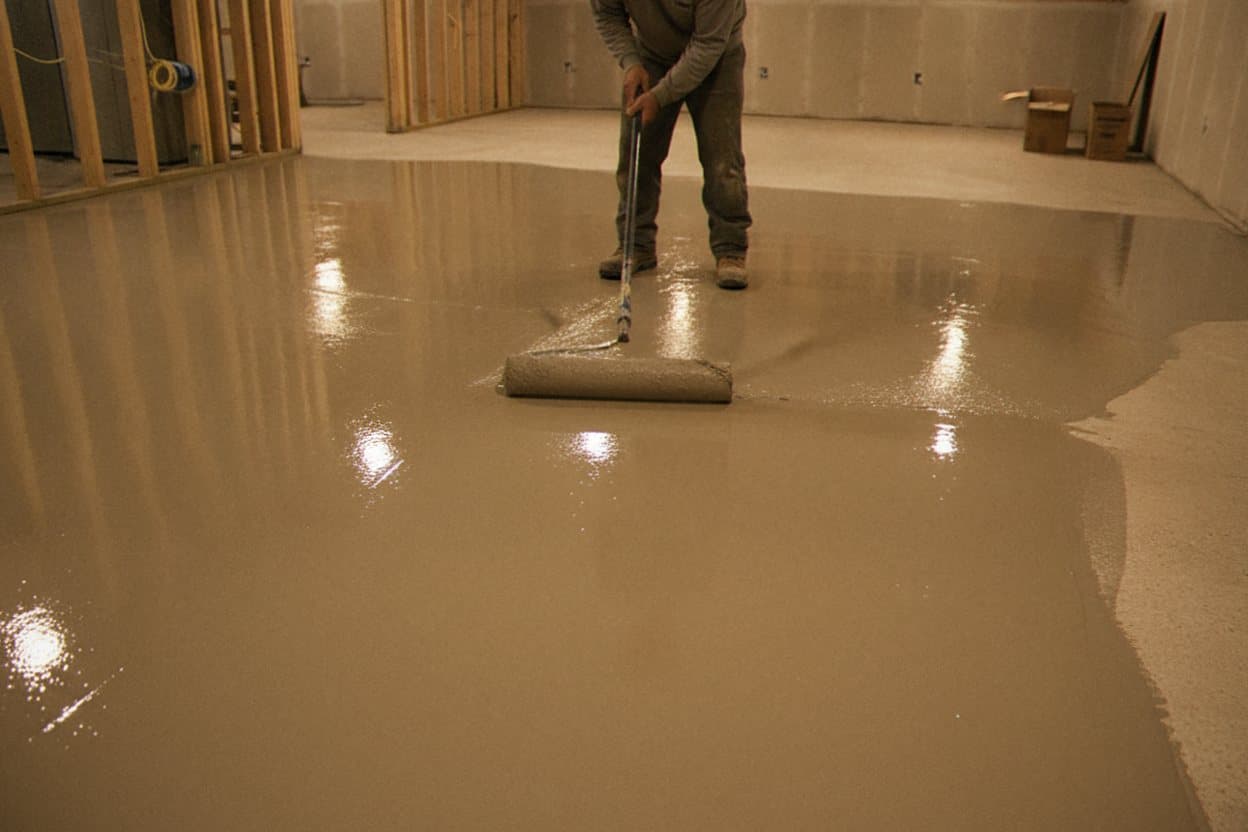
Applying wet epoxy over prepared slab
What about the alternatives?

Other basement floor approaches and how they hold up here

Most basement floor finishes look fine in the showroom and start failing inside one humid year underground. The list below describes what each option actually does once the slab moisture pushes up through whatever was put on top.

Concrete paint or stain

The cheapest cosmetic pass. Lifts at walls and floor drains inside one wet season.

Skip

Peel and stick LVP or vinyl tile

Looks like real flooring at the start. The glue lets go under vapor pressure. Seams curl after one humid August.

Skip

Modular carpet tile

Warm underfoot. Holds moisture and grows mildew unless the slab below is already sealed and dry. Works only over a coating that already handles the vapor.

Acceptable

Engineered hardwood on sleepers

Reads as premium. Adds height. Hides the moisture story instead of fixing it. Fails dramatically once water finds the wood.

Skip

Vapor mitigating epoxy plus polyaspartic

The system above. Sized to the slab's actual vapor. Brightens the room. Holds up for years.

Recommended
How it goes

From quote to walk-on, fast.

01

Walk the slab

We start with an in-person visit. We read the slab for moisture, existing coatings, cracks, and the surface profile before quoting anything.

02

Diamond grind and prep

A planetary grinder opens the concrete to a CSP-3 profile. Cracks and pop-outs get a polyurea fill. No resin goes down until the surface is clean and dry.

03

Four-coat install

Primer sized to the moisture reading, solids epoxy base, vinyl flake broadcast, and a polyaspartic topcoat, all in one working day.

04

Cure and walk

Foot traffic by evening. Vehicles roll back on the next day. Full chemical resistance comes in at seven days. We go over the timeline before we leave.

Before you book

Questions to ask before signing a basement quote

A basement fails for different reasons than a garage. So the questions worth asking are different. We answer each of these on the site visit.

It should. The calcium chloride number, the RH probe reading, or ideally both. The matching primer is named in the quote. A quote that just promises a primer that tolerates moisture, with no number behind it, is a guess dressed up as a spec. Heavy vapor needs a chemistry that light vapor does not. The gap shows up two years after install.
The strongest smell comes off the base coat in the first four to six hours. Then it fades through the rest of the day. A real install runs an exhaust fan and a portable dehumidifier through cure, vented out a basement window. The rest of the house stays clear. By the next morning the basement smells like nothing. A crew without exhaust gear leaves the house smelling like a wet paint roller for a week.
Standing water is a drainage or sump problem. Not a coating problem. A reputable installer diagnoses that first and points at the source. Sometimes that is a different contractor. An old failed coating gets ground fully off the slab. A fresh vapor reading is taken. The new system is sized to the current number. Putting a fresh film over an old failure repeats the failure on schedule.
Diamond grinding creates fine concrete dust. A proper install runs the grinder with a vacuum shroud right at the head, vents into a HEPA extractor, and seals the basement door from the rest of the house with plastic sheeting and tape during the dusty steps. Without that containment, the dust rides the HVAC return and settles across every surface upstairs.
Foot traffic by the same evening. Light furniture the next morning. Heavier pieces and area rugs at roughly 48 to 72 hours. Full chemical resistance (where a spill sits on the surface and does not react with the film) lands at about day seven. A Friday install usually means the basement is fully reloaded by Sunday night.
Aftercare

Keeping a finished basement bright across the years

A basement floor sealed under polyaspartic asks for less than the raw slab it covered. The topcoat resists staining. Spilled wine, pet accidents, and laundry detergent wipe off instead of soaking into the concrete. Two slow watch items matter over the years. The first is fine grit dragged in from outside on shoes. Basement grit is finer than garage grit and acts like sandpaper underfoot. The second is any new water finding the slab from a failing sump, a leaking hose bib, or a cracked foundation wall. The coating handles humidity by design. It does not, and cannot, handle an active leak.

  • Sweep or vacuum once a week. Fine grit acts like sandpaper if it sits.
  • Damp mop once a month with a pH neutral product. Skip ammonia at strength and concentrated bleach.
  • If a sump pump or dehumidifier was off for a season, run it a full week before inspecting the floor for new staining.
  • Walk the perimeter once a year at the season change. Look for fresh efflorescence near water lines, gas lines, and electrical penetrations. Slow seeps show there first.
  • Chair legs or weight bench feet that scrape through can be patched by the installer while the flake batch is still in stock at the supplier.
Basement epoxy floor full view
FAQ

What Ann Arbor owners ask about basement coatings

A good stack of three coats holds up for years before it ever needs a fresh wear layer. The top layer tests harder than the sealer used on shop floors, so road salt, hot tires, and the long freeze and thaw swing of a Macomb County winter never get the chance to wear it down. Cheap kits are different. The boxed kits sold at the home center tend to fail inside two or three winters, because they skip the moisture primer and the top coat stays far too soft.
The two products do different jobs in the same floor. Epoxy is the base. It grips the slab and builds up the film thickness, while the polyaspartic on top is the hard, clear layer that cures fast enough to finish a whole floor in a single working day. A floor with only epoxy on it stays softer, turns yellow in sunlight, and takes much longer to cure before you can use it. We lay both.
Three things drive the number: the floor size, the shape the slab is in, and the finish you pick. A slab with deep cracks, oil soaked into it, or a heavy moisture reading adds real prep time, and a metallic pour or a dense custom flake blend sits at the higher end of the range. A good crew walks your slab in person. Then it puts a fixed number on paper, because the slab is the one thing we truly have to see before we can quote.
Yes. The work happens indoors, so the season itself is not the real limit. As long as the garage holds about 55 degrees through the cure, our crew can pour a floor in January as easily as in June. Most winter jobs just run a portable heater for a few hours. Spring and fall book up fast, so winter often has the shorter wait.
Hot tires are the main reason cheap coatings fail. A cured polyaspartic top layer is harder than the tire itself, so it stays put on the base even after a long summer drive home in heavy July heat. It does not lift. Ask each crew how they handle a callback if anything ever peels, and get that answer in writing before you sign the job.
Ready when you are

Get a fixed-price quote on your Sterling Heights Epoxy Flooring Sterling Heights this week.

Free on-site walk-through. Written estimate before a single bag is opened.

Call (586) 225-8221Get My Free Quote
Call NowFree Quote