
Sterling Heights Epoxy Flooring logoSterling Heights Epoxy FlooringFlooring
Epoxy Repair and Recoat · Sterling Heights

Epoxy Repair and Recoat in Sterling Heights, MI

We read the failure with a small test grind, strip the bad coating, and reinstall the right system. Most epoxy repair jobs wrap in a day.

1 day installs · typical timeline

Tell us about your project.

We'll be back to you the same business day.

No spam. We'll text you to confirm.

Repaired epoxy floor installation complete
Patched epoxy showing seamless repair
Repair edge blending with existing
What we install

Why your coating failed and what comes next

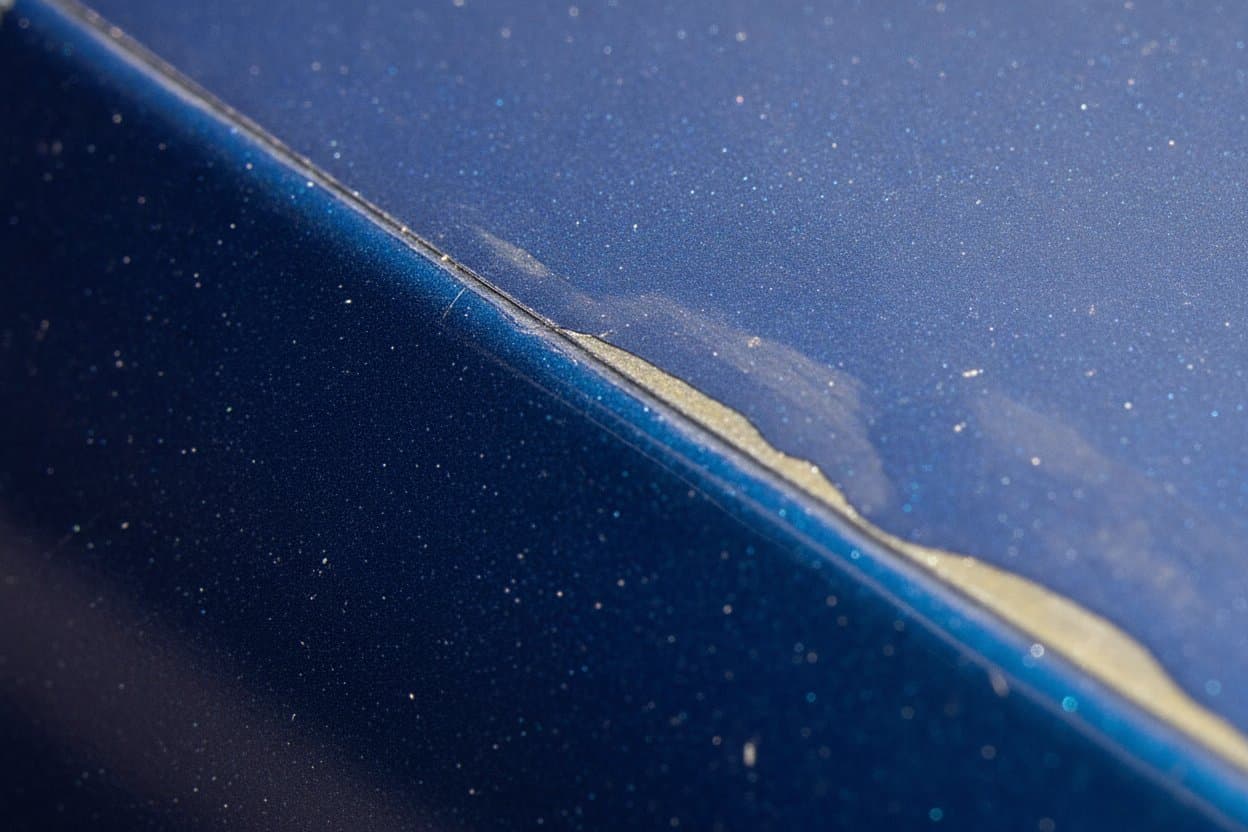
A Sterling Heights garage with peeling or sticky epoxy is almost always a coating problem. The slab below it is usually fine. The product on top was simply the wrong pick. We see three causes over and over. Cheap store kits peel within a winter or two. Plain epoxy with no top layer turns yellow and sticky by midsummer. And any coating laid on bare concrete lifts once moisture pushes up from below.

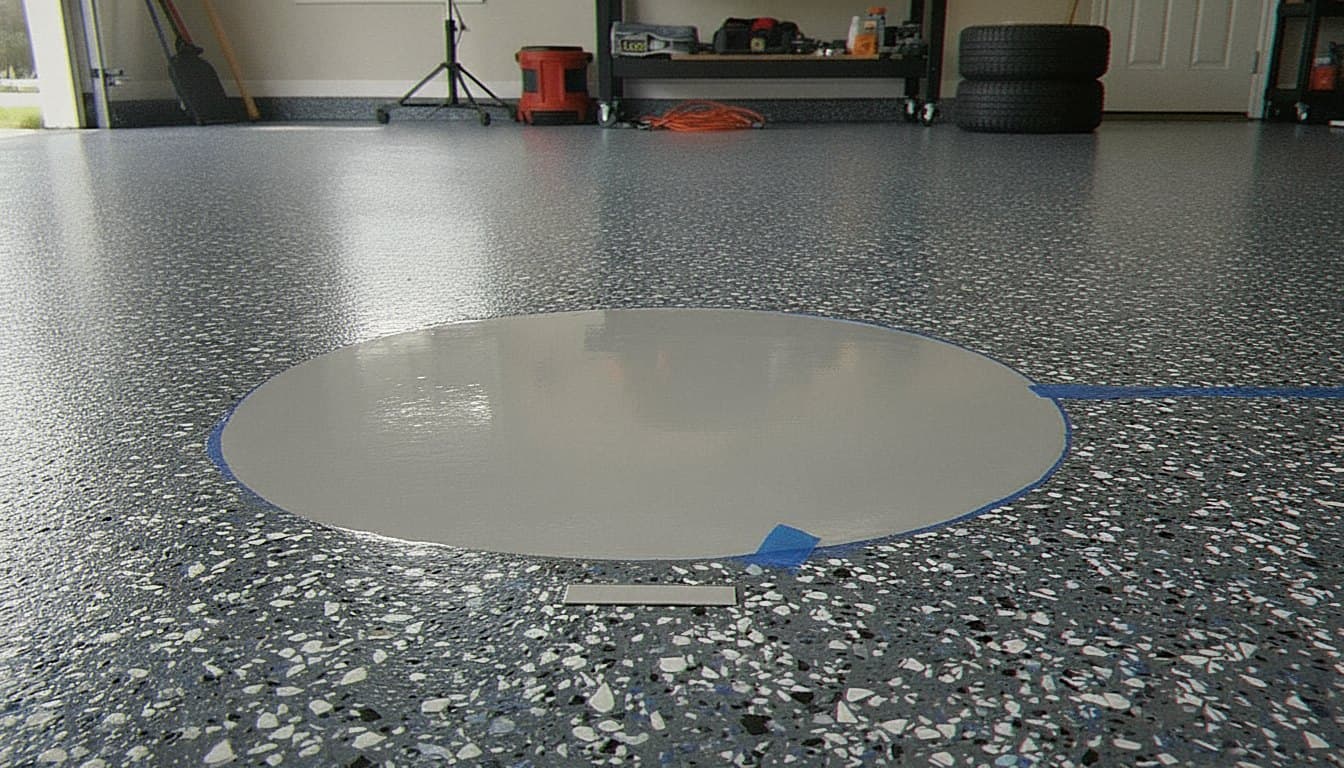
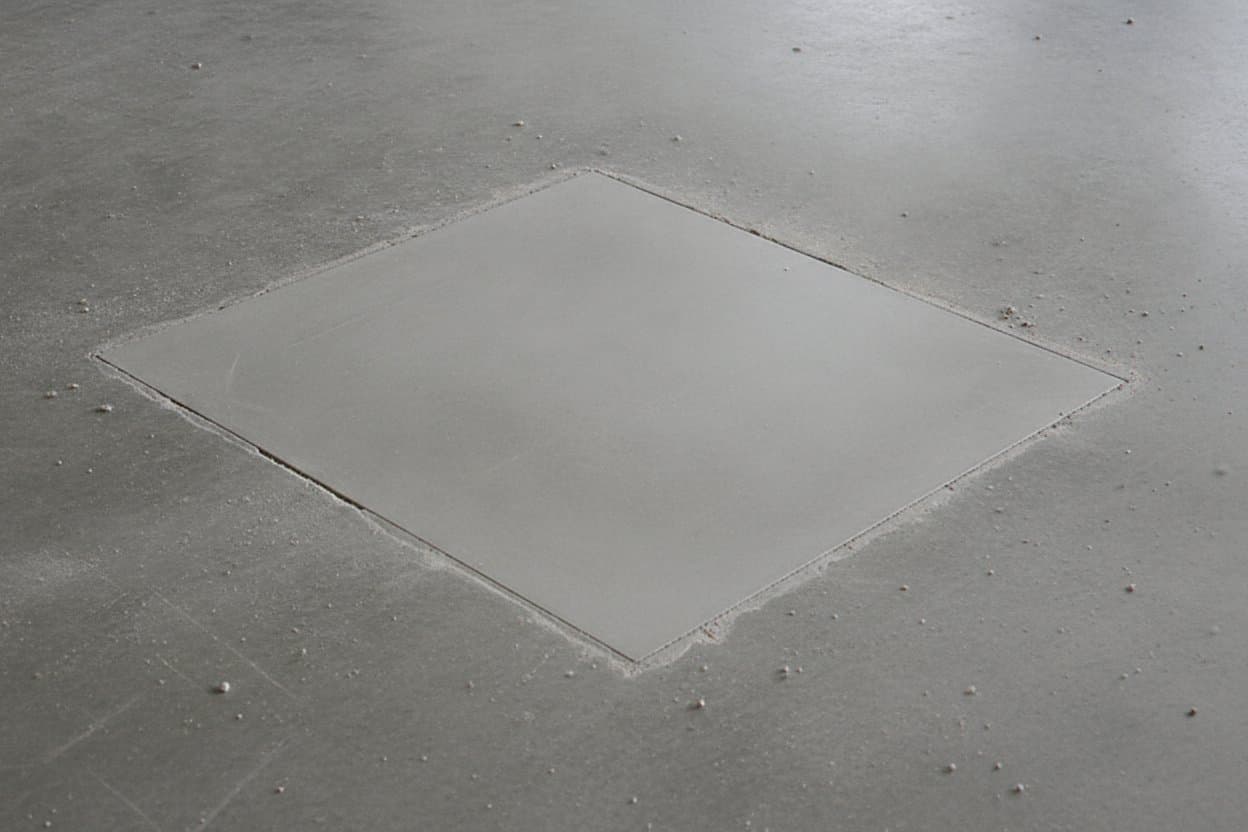
A real repair starts with a quick visit. We run a small test grind, about a foot square, through the failed coating. What we see there sets the quote. We do not guess from a phone photo. Most floors then get a full grind back to clean concrete. We fill cracks with a polyurea repair compound. Where the old coating tore up concrete, we patch those spots with mortar. Then we reinstall the full system. That means a primer matched to the slab moisture, a solid epoxy base, a full flake broadcast, and a polyaspartic top layer. The finished floor behaves like a fresh pour on a new slab. We rebuilt the prep from the concrete up.

  • We run a test grind during the visit, so the quote matches the floor.
  • We strip the failed coating all the way back to clean concrete.
  • We patch with mortar where the old coating pulled concrete up with it.
  • We reinstall with the same materials and steps as a fresh concrete floor.
  • A one or two car garage usually wraps the repair in a single day.
The concrete is rarely the problem. The coating was the wrong call. We pull it off and do it right.

Most repair calls we take in Sterling Heights start one of two ways. A homeowner laid a kit two summers back and now stands on lifting flake. Or someone hired a cheap crew and watched the floor peel after the first humid August. Both floors come back. Whether we recoat or call for a new slab depends on what the test grind shows. That is why we never skip the grind before we quote.

If a failing epoxy floor is the problem in your Sterling Heights garage or basement, use the form on this page to reach us. We come out, run the test grind, and show you what the floor actually needs. Most owners find a recoat is far less disruptive than tearing out the whole slab.
Materials

What the test grind tells us

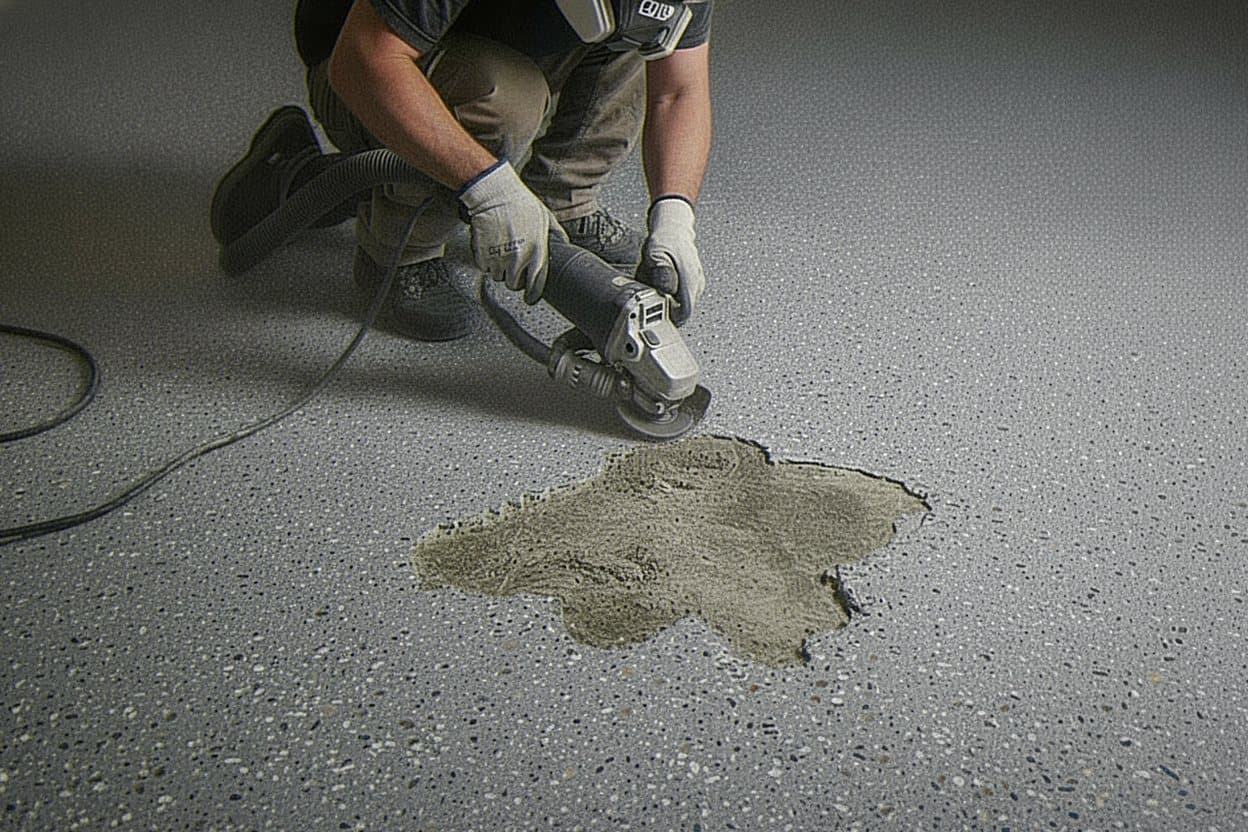
A failed epoxy floor fails for a short list of reasons. The test grind tells us which one fast, often in the first twenty minutes. We mark a patch about a foot square. Then we run a small grinder over it and watch the old coating react. A coating that lifts off in clean sheets never gripped the slab. That usually means the first crew etched with acid or just rinsed the floor instead of grinding it. A coating that drags concrete up with it gripped a slab that was already weak below, from water damage, winter freeze and thaw cycles, or old chemical spills. A coating that grinds off in a thin even layer, with sound concrete under it, is the easy case. The slab is fine. The product was simply wrong for the room.

Once we name the failure, the repair plan writes itself. Most floors get a full grind and reinstall. Some need extra mortar where the old coating tore concrete up during removal. The reinstall is our standard system. We start with a primer sized to the slab moisture today, not the reading from when the first floor went down. Then a solid epoxy base, a full chip broadcast, and a polyaspartic top layer. The new floor does not carry over whatever was wrong with the old one. It acts like a fresh pour on a new slab.

  • We run the test grind during the visit, before any quote.
  • The grind tells three failures apart: bad prep, weak slab, wrong product.
  • Full removal beats a thin refresh whenever the old product truly failed.
  • We only patch the slab where concrete came up with the coating.
Applying fresh epoxy over repair zone
Repaired epoxy floor final view
What about the alternatives?

Repair options and what they really fix

Bids on a failing floor usually land in one of the five buckets below. Only one of them fixes the real cause. The rest buy time, push the cost down the road, or set up a repeat failure on a timer.

Paint over the failed coating

It is the cheapest pass, and it is the one that fails first. Paint grips the dead coating underneath, never the slab, so within six to eighteen months the whole stack peels up together.

Skip

Thin refresh sealer over the old floor

This one only buys time. A clear or tinted layer goes over the failed floor, looks fresh for two or three years, and does nothing at all for the lost grip or the moisture that started the trouble.

Skip

Local patch of one zone only

Sometimes this works. It fits the rare floor where less than a tenth of the surface has let go and every other foot still reads sound under the grinder, which is far less common than people hope.

Acceptable

Full grind and reinstall

This is the real fix. We grind the failed product off, read why it let go, and lay back a full system sized to the moisture in your slab today, so the floor behaves like a brand new install.

Recommended

Tear out and replace the slab

Save this one for last. We only tear out and repour when the concrete itself is shot, think wide settling cracks or deep water damage, and on a home garage that stays rare.

Acceptable
How it goes

From quote to walk-on, fast.

01

Walk the slab

We start with an in-person visit. We read the slab for moisture, existing coatings, cracks, and the surface profile before quoting anything.

02

Diamond grind and prep

A planetary grinder opens the concrete to a CSP-3 profile. Cracks and pop-outs get a polyurea fill. No resin goes down until the surface is clean and dry.

03

Four-coat install

Primer sized to the moisture reading, solids epoxy base, vinyl flake broadcast, and a polyaspartic topcoat, all in one working day.

04

Cure and walk

Foot traffic by evening. Vehicles roll back on the next day. Full chemical resistance comes in at seven days. We go over the timeline before we leave.

Before you book

Questions to ask before you sign

Repair work draws more shortcut bids than fresh installs. You already paid for one floor, so a second number stings. These questions sort a repair that will hold from one that fails the same way.

Ours does, at no extra cost. We run the small grind during the visit, about twenty minutes. Then we write what we find into the quote. A quote with no grind rests on what you said over the phone. It is not built on what the slab actually shows. That is how repair jobs end up failing the same way the first one did.
We fill them with a polymer mortar compound and let it cure. Then we grind it level with the slab around it before the new system goes down. Patched spots usually vanish under the flake on top. A crew that coats straight over a torn up spot is skipping a step. That skip will show through the new floor within a season.
A custom chip blend can come close if we have the original recipe. Exact matches across years are rare. A small patch in a low traffic corner usually reads invisible once it cures. A bigger patch, over a fifth of the floor, can show as a slight shade shift under some light. Most owners who pick a partial repair accept that. A full grind and reinstall removes the matching problem for good.
We treat the new system the same as a fresh install. That holds as long as the moisture reading and the prep were right on install day. What we cannot promise is that an old problem stays gone if its cause was never fixed. Think steady basement moisture or repeat chemical spills. We put in writing what our work covers before you sign.
We tell you before we quote. Coating over a slab with steady moisture pushing through will fail again within a few years. Think a failed sump or a foundation crack that seeps. The real fix is drainage, a new sump, or a vapor barrier, not more coating. If the problem sits outside our scope, we say so and point you to it first, sometimes to another trade. A crew that just quotes one more coating is selling you work that will not last.
Aftercare

Keeping the recoat from failing again

A recoated floor takes the same care as a fresh one, plus a little extra. The first failure usually points at a habit or a condition that helped cause it. If the old floor lifted from basement moisture, the new floor still needs the dehumidifier and sump pump running. If it failed from chemical spills, like battery acid or strong degreaser, the spill habit has to change. We build the recoat to hold. Whether it holds also depends on whether the old conditions get handled.

  • Run the basement dehumidifier through spring and early summer, when slab moisture peaks here.
  • Keep mats at every door, since salt grit feeds most garage floor failures.
  • Wipe up oil, brake fluid, and antifreeze the same day they spill.
  • Each season, scan for new white residue, hairline cracks, or dull spots.
  • If something looks off, call us early so we can catch a repeat before it spreads.
Repaired epoxy floor installation complete
FAQ

Common questions about repair and recoat

A good stack of three coats holds up for years before it ever needs a fresh wear layer. The top layer tests harder than the sealer used on shop floors, so road salt, hot tires, and the long freeze and thaw swing of a Macomb County winter never get the chance to wear it down. Cheap kits are different. The boxed kits sold at the home center tend to fail inside two or three winters, because they skip the moisture primer and the top coat stays far too soft.
The two products do different jobs in the same floor. Epoxy is the base. It grips the slab and builds up the film thickness, while the polyaspartic on top is the hard, clear layer that cures fast enough to finish a whole floor in a single working day. A floor with only epoxy on it stays softer, turns yellow in sunlight, and takes much longer to cure before you can use it. We lay both.
Three things drive the number: the floor size, the shape the slab is in, and the finish you pick. A slab with deep cracks, oil soaked into it, or a heavy moisture reading adds real prep time, and a metallic pour or a dense custom flake blend sits at the higher end of the range. A good crew walks your slab in person. Then it puts a fixed number on paper, because the slab is the one thing we truly have to see before we can quote.
Yes. The work happens indoors, so the season itself is not the real limit. As long as the garage holds about 55 degrees through the cure, our crew can pour a floor in January as easily as in June. Most winter jobs just run a portable heater for a few hours. Spring and fall book up fast, so winter often has the shorter wait.
Hot tires are the main reason cheap coatings fail. A cured polyaspartic top layer is harder than the tire itself, so it stays put on the base even after a long summer drive home in heavy July heat. It does not lift. Ask each crew how they handle a callback if anything ever peels, and get that answer in writing before you sign the job.
Ready when you are

Get a fixed-price quote on your Sterling Heights Epoxy Flooring Sterling Heights this week.

Free on-site walk-through. Written estimate before a single bag is opened.

Call (586) 225-8221Get My Free Quote
Call NowFree Quote